
Insects for food and feed
Trends towards 2050 predict a steady population increase to 9 billion people, forcing an increased food/feed output from available agro-ecosystems resulting in an even greater pressure on the environment. Scarcities of agricultural land, water, forest, fishery and biodiversity resources, as well as nutrients and non-renewable energy are foreseen.
Edible insects contain high quality protein, vitamins and amino acids for humans. Insects have a high food conversion rate, e.g. crickets need six times less feed than cattle, four times less than sheep, and twice less than pigs and broiler chickens to produce the same amount of protein. Besides, they emit less greenhouse gases and ammonia than conventional livestock. Insects can be grown on organic waste. Therefore, insects are a potential source for conventional production (mini-livestock) of protein, either for direct human consumption, or indirectly in recomposed foods (with extracted protein from insects); and as a protein source into feedstock mixtures.
Source:https://www.fao.org/edible-insects/en
到2050年,全球人口预计将稳步增长至90亿。这一趋势势必要求现有农业生态系统提升粮食/饲料产量,致使环境承受前所未有的压力。据此预测,农业用地、水资源、森林、渔业、生物多样性、养分及不可再生能源的短缺问题将日益凸显。
可食用昆虫富含优质蛋白质、维生素和人体必需氨基酸,且食物转化率高。以蟋蟀为例,产出等量蛋白质所需的饲料仅为牛的六分之一、羊的四分之一、猪和肉鸡的一半。此外,昆虫排放的温室气体和氨低于传统牲畜,且可利用有机废弃物进行养殖。因此,昆虫有望成为传统蛋白质生产(“微型牲畜”)的来源,既可供人类直接食用,也可提取蛋白用于重组食品,或作为饲料中的蛋白添加成分。
来源:https://www.fao.org/edible-insects/zh
Pumpkin
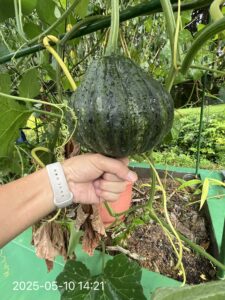
Locally grown pumpkin nourished with our insect frass fertilizer. Rich in natural nutrients, supporting vigorous plant growth and strong fruit development.
Lettuce
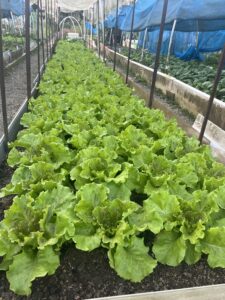
Grown with our insect frass fertilizer.
Lush growth. Strong roots. Consistent results.
Watermelon
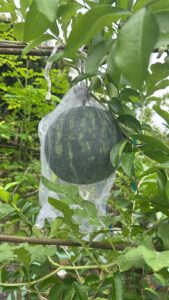
Grown with our insect frass fertilizer.
Bok Choy
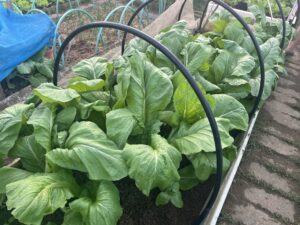
Grown with our insect frass fertilizer.
Chilli
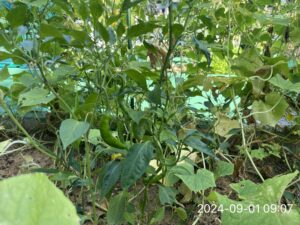
Grown with our insect frass fertilizer.
Sweet Potato
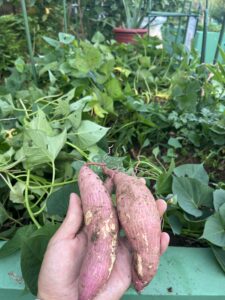
Grown with our insect frass fertilizer.
Papaya
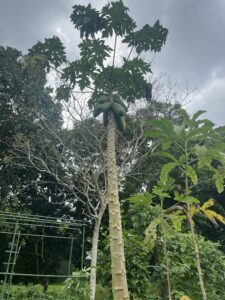
Grown with our insect frass fertilizer.
